Process Flow
Our company produce non woven fabric from polypropylene using the melt-blown method

Block Flow Diagram
1. Extruder
1. From the hopper the polymer gravity drops into the feed throat of the extrude
2. Inside the extruder is a rotating screw shaft that forces the polymer through three heating zones that melts the polymer

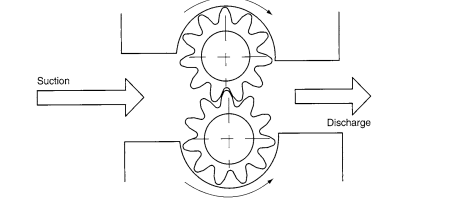
2. Gear Pump
3. Melt-Blown Die
-
The melted polymer went to a melt-blown machine which is air use blown the melt polymer and turn into the fine string called fiber
-
Using the melt-blown web is softer, bulkier, and weaker. It has a smaller pore size and provides for better filtration efficiency. In most filter applications the medium has to be supported by another web or used as part of a composite structure
The gear pump plays a critical role in controlling the precise volumetric flow rate of the molten polymer. This is a key step to maintain a uniform temperature of the molten polymer


4. Web


5. Winder
Lastly, the nonwoven fabric is collected in the winder
-
The hot air stream also causes secondary air to be drawn from the surrounding ambient air and helps to cool and solidify the collected web of material that forms on the collector, which is a take-up metal screen attached to a conveyor.
-
The fibers solidify and are randomly laid onto the collector, binding together to form a web by both entanglement and cohesion of fibers to one another. By varying, the collector speed and the separation distance between the die nosepiece and the collector, variations in the web fabric density can be achieved to suit different applications.

Schematic Illustration of Melt-Blown process
